






Table of Contents

Key Takeaways:
- Compare comparable manufacturing roles using shared rating definitions, evidence and the work conditions each employee faced.
- Use plant averages and rating distributions to flag questions, not to impose identical outcomes or automatic score adjustments.
- Follow a documented six-step calibration process from standards and preliminary ratings through review, corrections and coaching.
- Test role permissions, source attribution, rating-change history and reporting reconciliation with five live vendor scenarios.
- Preserve employee response rights and keep safety reporting separate from punitive performance scoring.
To compare employee performance ratings fairly across manufacturing plants, use shared definitions for comparable jobs, inspect role-specific evidence and the conditions under which work was performed, and document why any rating changes. A 4 out of 5 at Plant A should mean the same level of demonstrated performance as a 4 at Plant B when the role and expectations are genuinely comparable. It should not mean that both plants must have identical rating distributions.
Plant-level averages can be a useful signal, but they are not a verdict on individual workers. Different equipment generations, production mix, new product launches, staffing, downtime, and shift schedules can influence outcomes. The review owner must distinguish what the employee controlled from circumstances attributable to the facility or project. HR should investigate differences in rating practices before making adjustments, not mechanically flatten every plant's scores.
This buyer guide explains a practical six-step cross-plant calibration process and five vendor demonstration tests. It focuses on manufacturing jobs such as machine operators, maintenance technicians, team leads and production supervisors. It does not replace our broad performance calibration best practices or the product-focused PerformSpark calibration overview; it adds plant comparability, evidence and access scenarios for HR teams buying software.
What does fair calibration mean across manufacturing plants?
Calibration is a structured discussion in which authorized managers and HR review initial employee ratings against agreed expectations and supporting evidence. Participants may decide that a rating is appropriate, request additional facts or change a rating with a recorded reason. The U.S. Office of Personnel Management's supervisor performance management guidance recommends consistent criteria, evidence-based ratings, attention to bias and calibration discussions. This is helpful management guidance, not a rule that private manufacturers must use a particular rating scale.
A useful calibration meeting compares like with like. Two maintenance technicians in the same job family may share core expectations for troubleshooting, documentation and collaboration, while still operating different equipment. A production line leader and an office planning analyst may both be valuable, but comparing their production throughput or work quality using a single plantwide numeric target would be misleading. Use role-specific appraisal criteria and agreed employee goals to define which standards are portable and which depend on the role.
The EEOC advises employers to communicate performance standards, apply them consistently and support evaluations with relevant facts. Calibration should help test those principles, not conceal inconsistent practices. A change in rating needs an evidence-based explanation and an appropriate employee response or correction process under the employer's policies.
Start with the right comparison groups, not plant averages
Before opening a meeting, HR should group employees by meaningful job criteria: role, level, comparable expectations, review period and evidence coverage. A machinist on a prototype line and an operator on a mature high-volume line may share behaviors such as following approved quality procedures, escalating process deviations and cooperating during handoffs, yet have very different output conditions. Do not treat units per hour as interchangeable until the work context is understood.
Consider four questions for every comparison: What was expected? What did the employee actually do? What constraints influenced the result? How much firsthand evidence is available? Reviewers should separate observable results, behaviors and contextual factors. The structured review workflow should make the evidence traceable rather than simply display a final score.
Where the organization needs an aggregate view, use performance reporting to look for unusual patterns such as one manager assigning only top scores, a plant with many reviews lacking evidence or a location with unusually high disputed-rating counts. Treat those signals as prompts for investigation. A low plant average might reflect difficult assignments, a stricter reviewer or different job composition. A high average might reflect strong performance or lenient scoring. Neither conclusion is established by an average alone.
A six-step manufacturing calibration process HR can reproduce
1. Agree on shared standards and local exceptions
Before the cycle starts, define the role-level rating anchors and what evidence supports each level. For an operator, “meets expectations” may reference correctly performed quality checks and timely escalation of problems; for a maintenance technician, it might reference diagnostic accuracy and documented follow-up. Specify which equipment-specific goals vary by plant and do not retroactively apply new standards to work completed under an older version. An assessment versus performance review checklist helps separate qualification evidence from overall performance judgments.
2. Collect rated examples across the full period
Require supervisors to submit dated observations, outcomes the employee could influence and feedback previously discussed. Include strengths and concerns, not only incidents near the deadline. ongoing manager check-ins and documented feedback can supply useful context, but the calibration panel should still verify source and relevance. Do not imply that a worker's individual performance can be inferred from a plant safety incident count or a production target alone.
3. Separate the preliminary rating from the final decision
Have each accountable reviewer submit a preliminary score and rationale before the panel meets. Preserve the original score and supporting comment even if the panel later makes a justified adjustment. This makes it possible to ask whether differences come from actual performance or inconsistent standards. The approval-workflow test guide offers useful scenarios for distinct contributor, final reviewer and HR roles.
4. Review outliers using job and site context
Look at evidence sufficiency, not just mathematical distance from the mean. For example, if a supervisor rated all direct reports at the highest level, ask for examples supporting each decision. If one worker received a low score after equipment downtime, investigate whether the worker caused, identified or appropriately escalated the issue. Check for inconsistencies across shifts and different exposure periods using our five supervisor handoff tests.
5. Record the discussion, corrections and employee pathway
Require any adjustment to have an authorized decision-maker, dated explanation and reference to the relevant criteria or evidence. Preserve the prior rating and original source material. If an employee disputes an evaluation, follow an appropriate and impartial response process. The EEOC's guidance on evaluation complaints recommends investigating potentially discriminatory complaints promptly and thoroughly. Calibration is not a substitute for investigating a complaint.
6. Translate approved outcomes into coaching and an audit trail
Once ratings are finalized, identify development actions rather than only announcing scores. If a supervisor needs better evidence-writing practice, coach the supervisor. If an employee needs to build a nonregulated skill, document an individual development plan. Ensure the correct manager owns the next action after a shift transfer or plant reassignment and confirm when the record becomes locked for routine edits.
Illustrative three-plant case: same rating, different circumstances
Planning example, not customer data: Cedar Plant runs a mature packaging line, Harbor Plant has recently commissioned different equipment, and Ridge Plant handles shorter product batches. All three use a five-level performance scale, but managers have interpreted “exceeds expectations” differently. One operator at Cedar received 4/5 based on sustained, documented quality checks and collaborative shift handoffs. A similarly classified operator at Ridge also received 4/5 for handling frequent changeovers correctly and raising recurring packaging issues early. Both may merit the same rating for different evidence, provided their jobs and expectations are genuinely comparable.
Now consider a Harbor operator rated 2/5 primarily because their line fell behind during a vendor-driven commissioning delay. The panel asks whether the individual met their assigned duties, what steps they took to escalate the delay and what evidence was previously discussed. If the original rating rests on facility conditions rather than employee actions, the panel may determine that an adjustment is justified. If repeated, attributable performance gaps remain documented, the lower rating may be appropriate. A fair outcome depends on evidence, not on matching the Cedar or Ridge average.
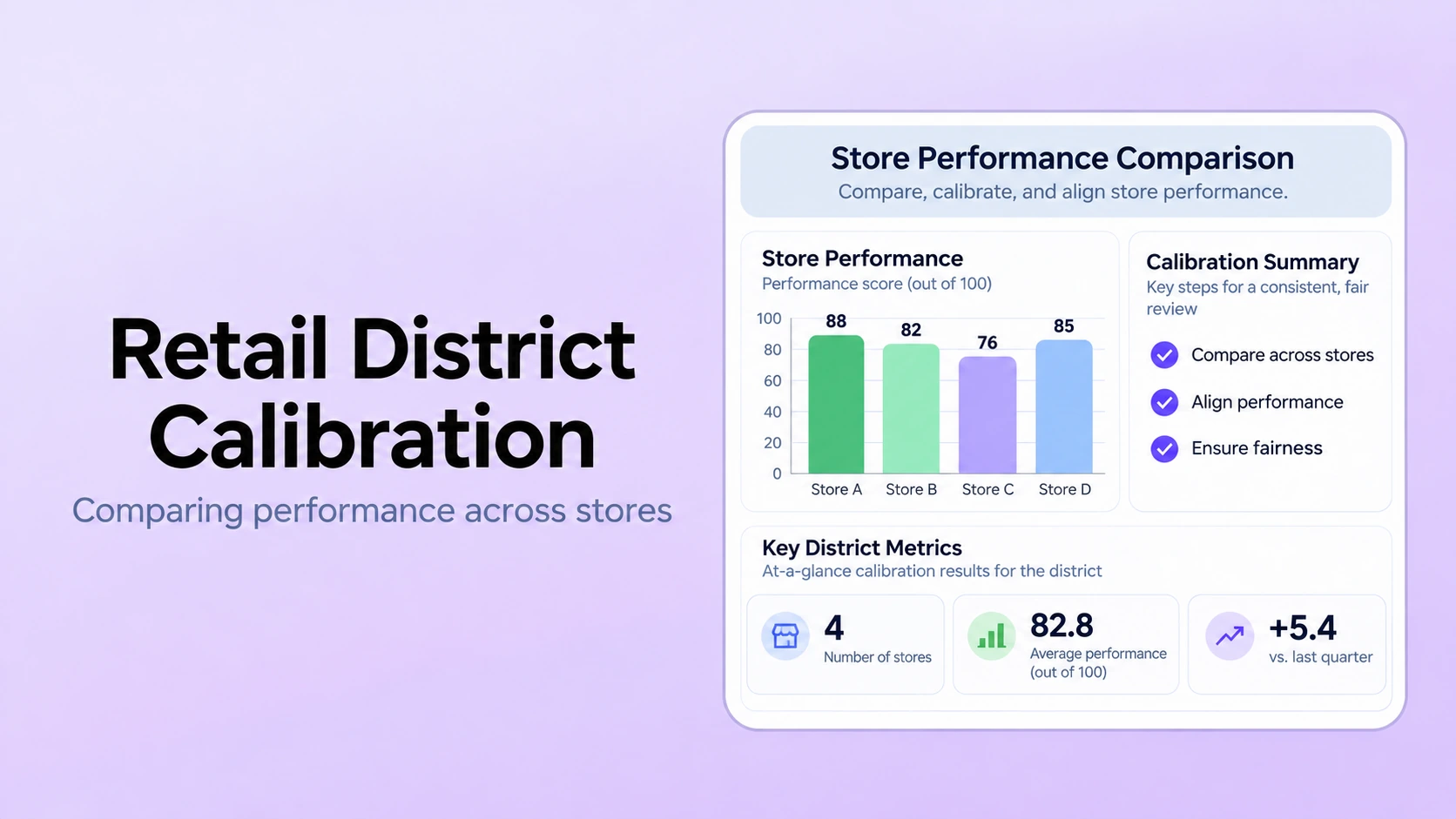
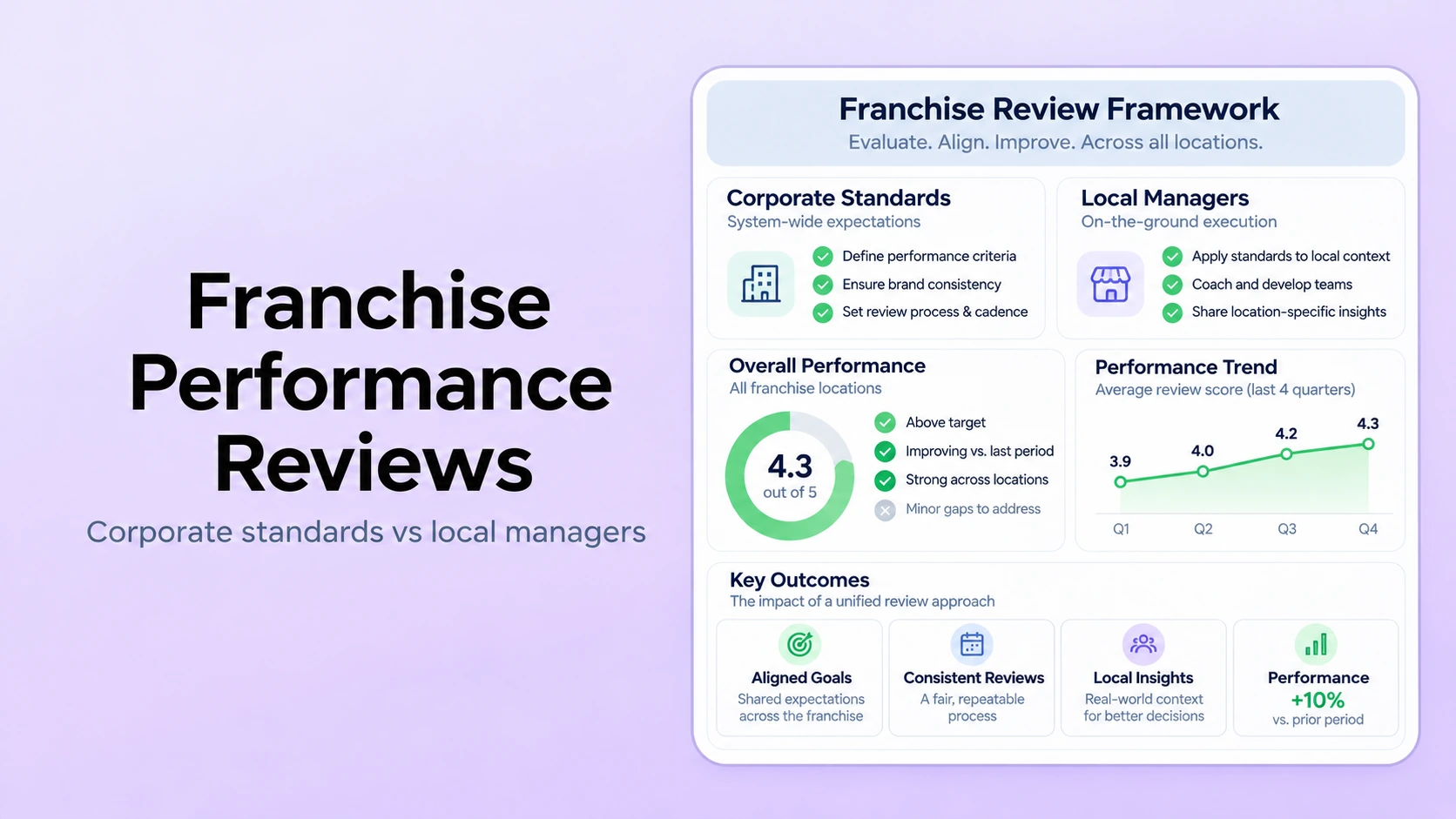
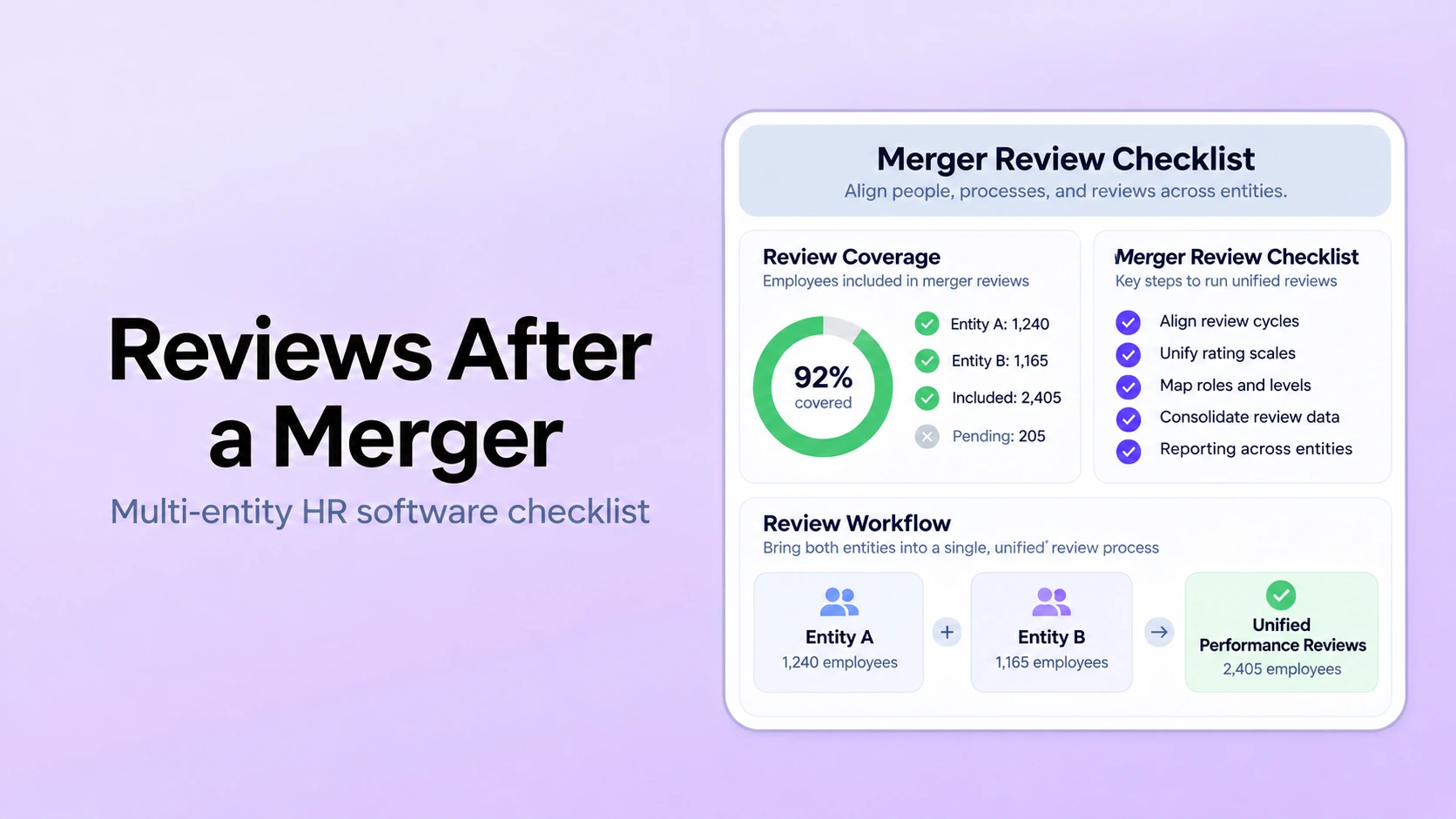
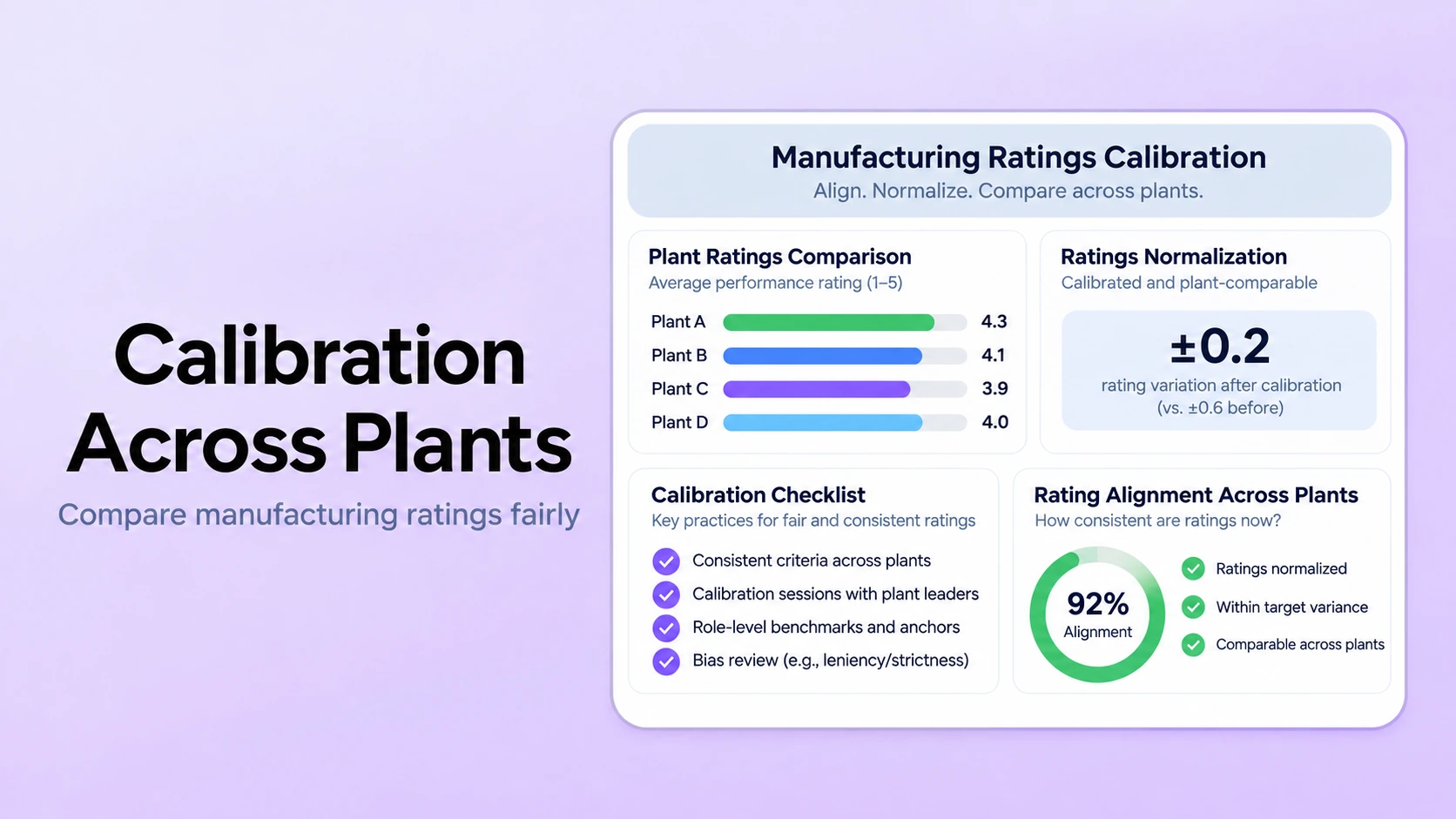
Do not use the illustrative figures shown in the uploaded blog thumbnail as real performance benchmarks or a promise that calibration improves ratings by a particular percentage. The mockup is a design asset. For software selection, test the reasoning and provenance behind every result, including who approved any revision.
Five vendor demo tests for comparing plant ratings fairly
Test 1: Apply common role standards while preserving plant-specific goals
Create three synthetic operators at different sites. Give them the same job family and core rating anchors, plus a distinct role-relevant goal for each site's equipment or product mix. Ask the vendor to show how a reviewer sees both the shared standard and the local expectation. Pass: the roles and standards are recognizable across sites while local goals remain historically accurate. Fail: changing a template at headquarters silently overwrites completed reviews or makes different job responsibilities look identical.
Test 2: Show who observed the work and for how long
Assign one worker to Plant A for eight weeks and Plant B for two weeks during the quarter. Obtain observations from both supervisors and then create the preliminary rating. Ask the final reviewer to inspect contributors, dates, exposure periods and approval rights. Pass: firsthand sources remain attributable, and the accountable manager can make a reasoned judgment without an automatic unweighted average. Use the multi-location buyer guide for related reviewer permissions.
Test 3: Investigate leniency, severity and missing evidence
Configure two supervisors with different preliminary rating patterns. One gives every worker 5/5; the other gives similar roles 3/5 despite specific examples of strong performance. Add one employee with no documented observations. Ask the panel to open the underlying evidence, mark incomplete reviews and record whether a rating adjustment is justified. Pass: users can distinguish a data-quality concern from actual performance. A chart alone does not prove bias, and a forced rating quota is not a requirement.
Test 4: Correct a rating without erasing authorship or exposing private records
Have HR authorize a documented change from 2/5 to 3/5 after clarifying that a missed production target arose during equipment unavailability. Switch between site supervisor, regional HR and unrelated manager accounts. Pass: the original rating, reason for change, approver and final result are distinguishable and appropriate permissions are enforced. Verify using confidential review permissions and the vendor's security documentation.
Test 5: Reconcile plant-level dashboards and employee outcomes
Set up fictional records for two plants, one transferred employee and one incomplete review. Ask the vendor to display rating distributions by comparable role, supervisor and relevant cycle, then export the underlying records. Calculate the same employee count independently. Pass: users can reconcile changes, exclusions, and denominators; the transferred worker is not counted twice in the companywide population. Review reporting dashboard test cases for more granular export checks.
For all five tests, record what the vendor demonstrated, which items require configuration and which remain unverified. The scenario is a proposed buyer exercise, not evidence that PerformSpark or another named product has passed it. A controlled software pilot can clarify practical limitations before a purchasing decision.
Cross-Plant Rating Calibration
See multi-plant calibration workflows in action
Bring comparable roles from two plants, different supervisor ratings and a proposed rating correction. Verify permissions, evidence sources and approval history in the current product.
Bias checks that improve calibration without imposing a bell curve
A calibration panel should ask whether managers used the same definitions, whether employees had comparable opportunities to demonstrate the expectations and whether the evidence represents the full cycle. Potential rating errors include recency bias, leniency or severity, halo effect and overreliance on one project result. OPM's performance roadmap recommends evidence-based evaluation, consistent criteria and attention to such biases. These are safeguards, not reasons to require every plant to have the same share of top and bottom ratings.
When examining potentially inequitable outcomes, HR should use appropriate confidentiality safeguards and relevant legal advice. A demographic pattern may require careful investigation but does not, by itself, identify the cause of a particular rating. A score adjustment made solely to improve a dashboard's appearance may undermine consistency. Document the rationale for every change and ensure employees can raise concerns through the approved process.
Safety-related criteria also need care. An operator who reports a hazard should not automatically receive a poor evaluation because a safety incident was recorded. OSHA's injury-reporting anti-retaliation rule addresses protection for employees reporting work-related injuries and illnesses. Safety professionals and HR should review the design of safety-related performance standards, especially where injury counts, near misses or medical absences might influence a score. This guide is educational, not legal advice.
What to ask vendors about calibration permissions and exports
- Can the company maintain the same rating definitions for comparable jobs across all plants while preserving meaningful job-specific goals?
- Does the reviewer see who observed the employee, on which shift and during what part of the cycle?
- Can HR inspect preliminary and final ratings with the reason, approver and time of each adjustment?
- Which account may propose, edit, approve or reopen a calibrated rating?
- Can plant managers see only their authorized teams while regional HR gets an approved aggregate view?
- How does the system handle an employee who transfers between plants before the review closes?
- Can reviewers identify incomplete evidence before drawing conclusions from plant averages?
- Can reports export individual records, relevant role criteria, cycle dates, rating changes and reviewer history for reconciliation?
These questions extend a standard performance management software RFP rather than replace security, implementation and contract review. Buyers should also consider whether review reminders reach the correct owner and whether integration options can provide authoritative employee and manager assignments from existing systems.
Where PerformSpark fits in the evaluation
PerformSpark describes calibration, performance reviews, goals, manager check-ins, development planning and reporting and analytics as parts of its performance management offering. Those product areas make it relevant to assess for multi-plant review governance. They do not independently prove that every cross-plant permission model, rating-history view, comparator filter or automated calculation in these test cases is supported out of the box.
Bring a small synthetic dataset, shared role standards and the five acceptance tests to a vendor demonstration. Ask the team to show exactly how preliminary ratings become approved final results, how changes are documented and what must be configured. Distinguish observed product behavior from manual workarounds and roadmap claims.
Final decision: standardize the meaning, not the outcome
The objective of cross-plant calibration is an explainable performance decision based on comparable expectations, reliable evidence and an authorized process. It is not to make every manufacturing plant report an identical average rating. A fair system helps HR identify differences worth investigating, protect employees from unsupported conclusions and make development actions consistent with the actual work.
For buying teams, use the six-step process and the five vendor tests together. Require observable evidence of the workflow, preserved ownership of each rating and reports that can be reconciled to real records before selecting a platform.
Manufacturing HR Leaders
Evaluate fair rating decisions across your plants
Explore calibration, manager input and performance reporting with PerformSpark. Bring the five cross-plant software tests and confirm which workflows can be demonstrated today.
Book a PerformSpark Demo →Bring your cross-plant rating comparison scenario