Performance Calibration Software for Consistent Rating Discussions
Compare rating distributions, review evidence, document calibration decisions, and support more consistent performance discussions across teams.
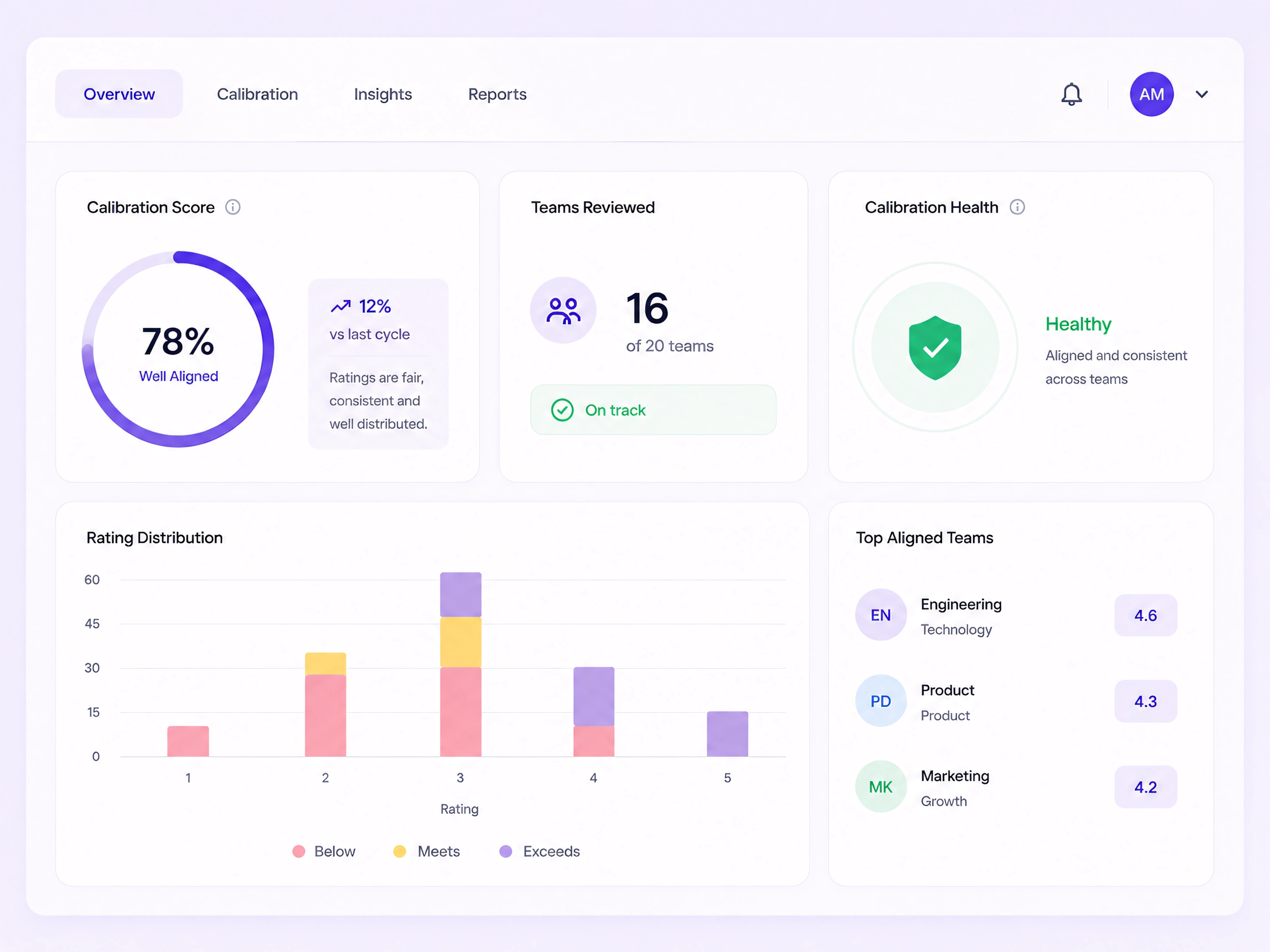
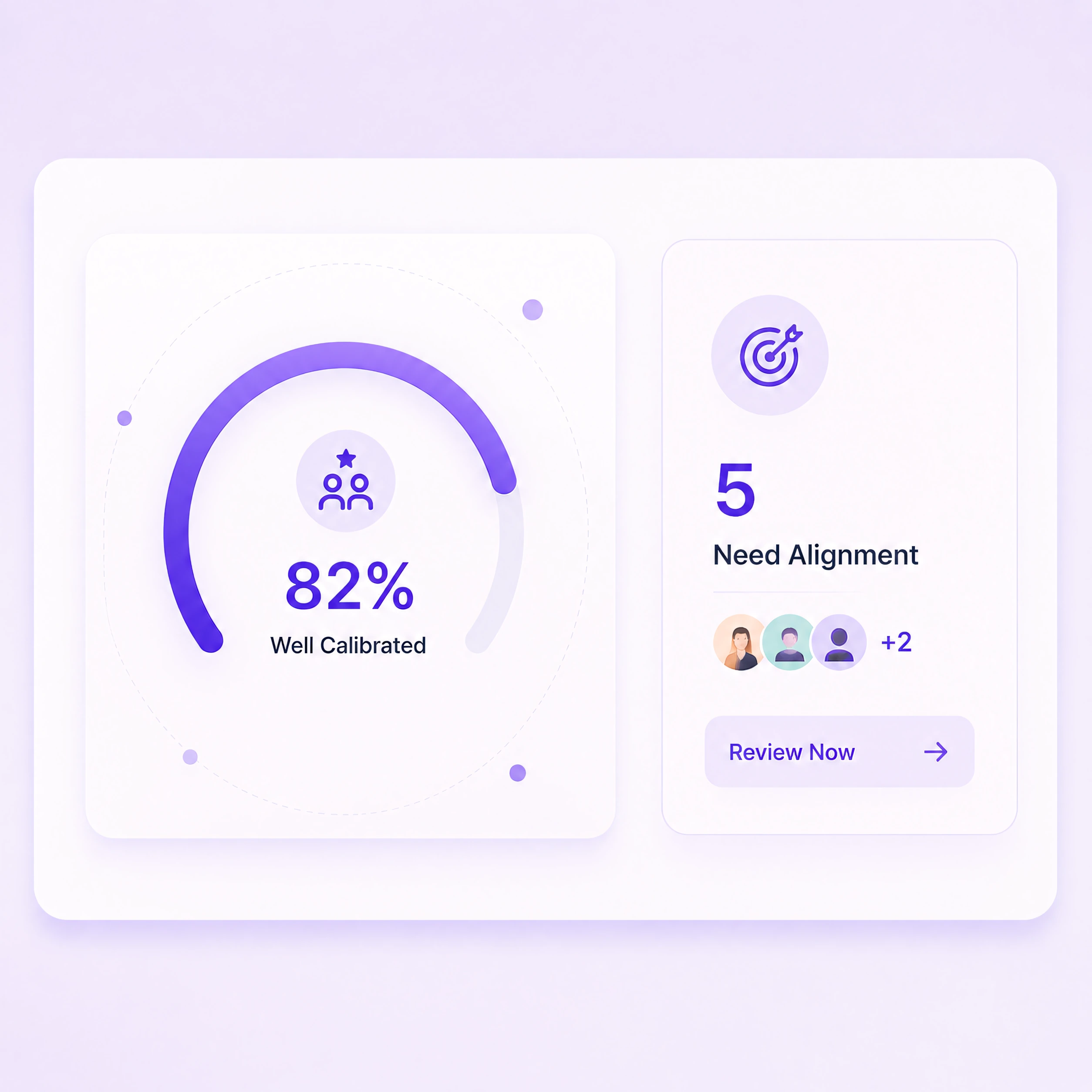
Run Consistent Cross-Team Calibration
Before ratings are finalized, HR can compare distributions across managers and teams, review supporting evidence, discuss outliers, and document agreed decisions in one workflow. Performance calibration software keeps the context and decision trail together while authorized reviewers retain final judgment.For governance and decision rights, use the performance calibration strategy guide.
Visualize performance across teams
See the full picture at a glance
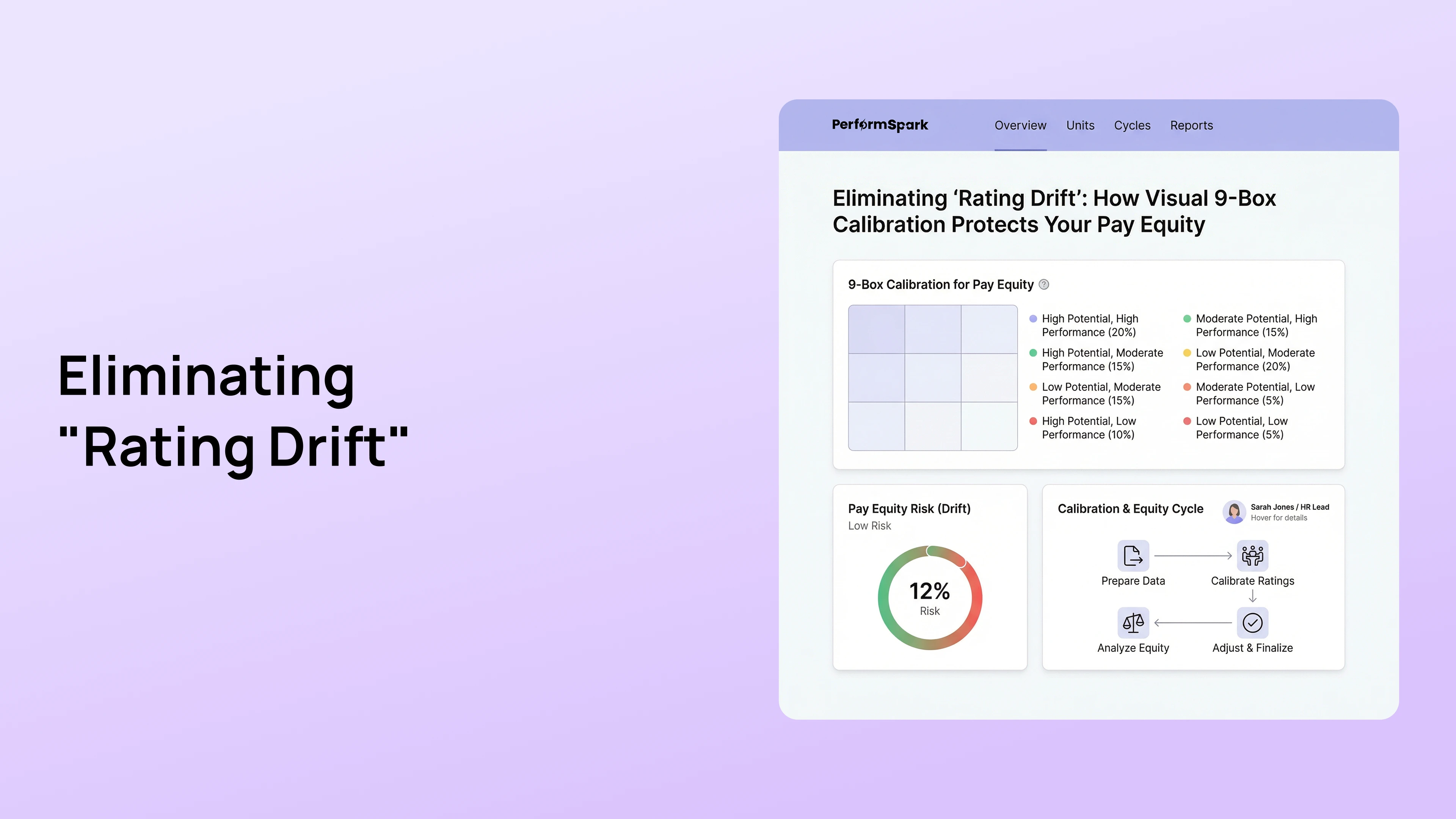
Use 9-box calibration grids to compare performance and potential across departments, then scan visual dashboards to spot high performers, growth opportunities, and areas needing attention in seconds.See the 9-box calibration guide for practical use cases.
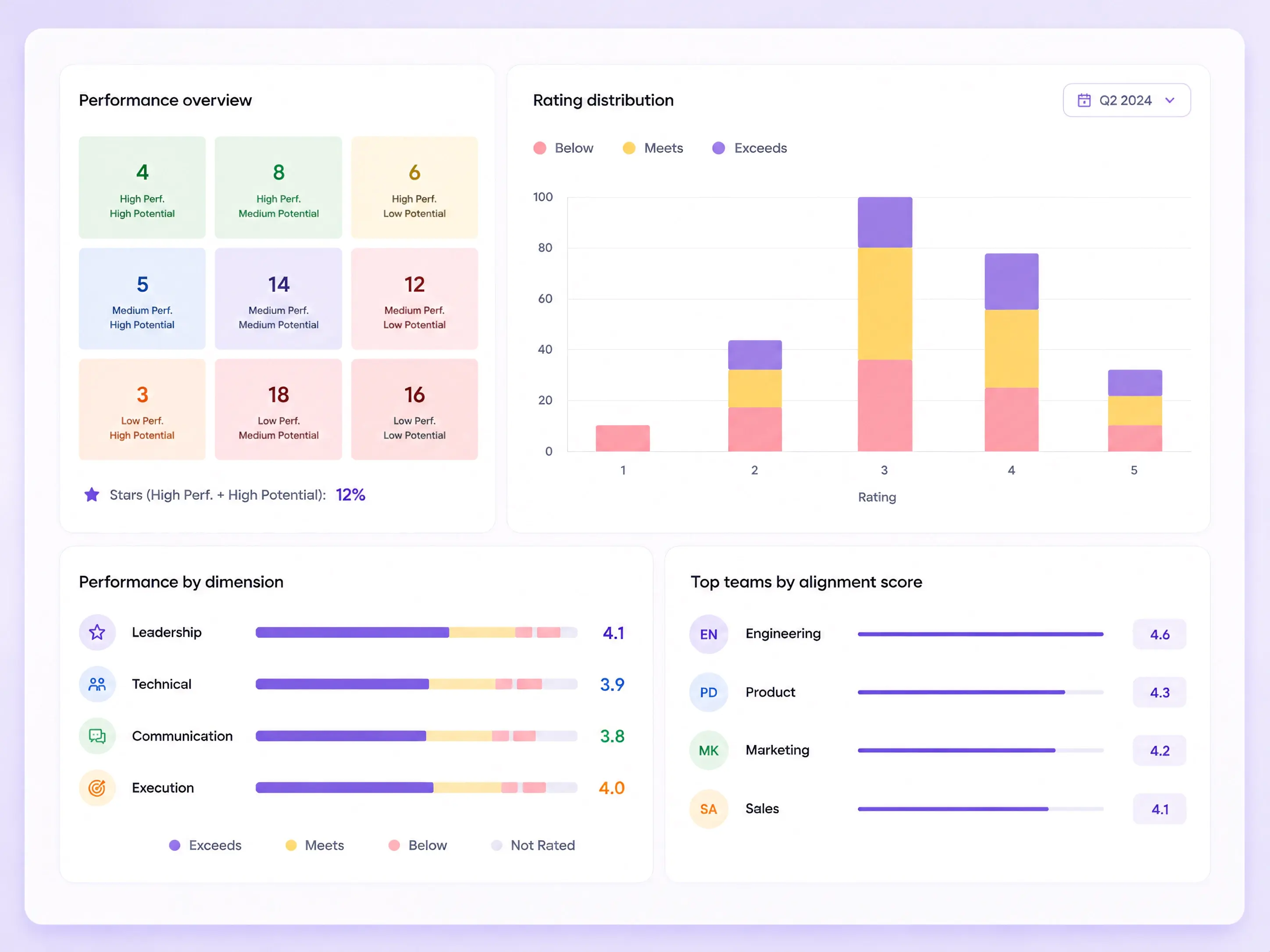


Normalize ratings and align teams for better decision-making.

Performance Review Calibration Software for Fairer Decisions

Spot top talent and flight risks early
Take proactive action for growth and retention
Calibration drives impact when insights turn into action: analyze responses to spot trends, recognize top performers, and assign clear owners to fix gaps so every insight turns into better engagement, stronger performance, and tighter team alignment.


Your complete product toolkit
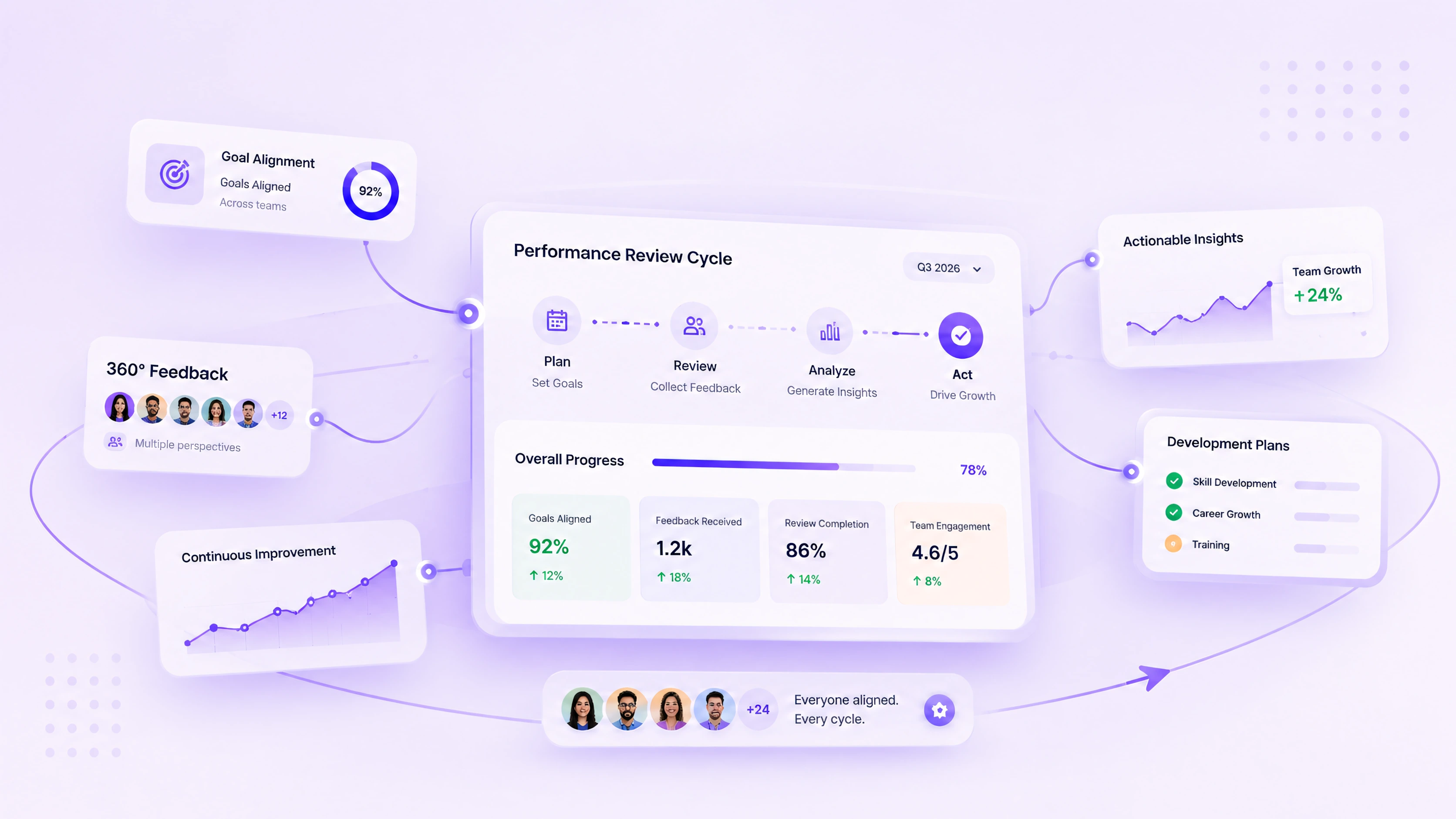
Performance Cycles
Comprehensive tools designed for enterprise-scale performance management and organizational development.

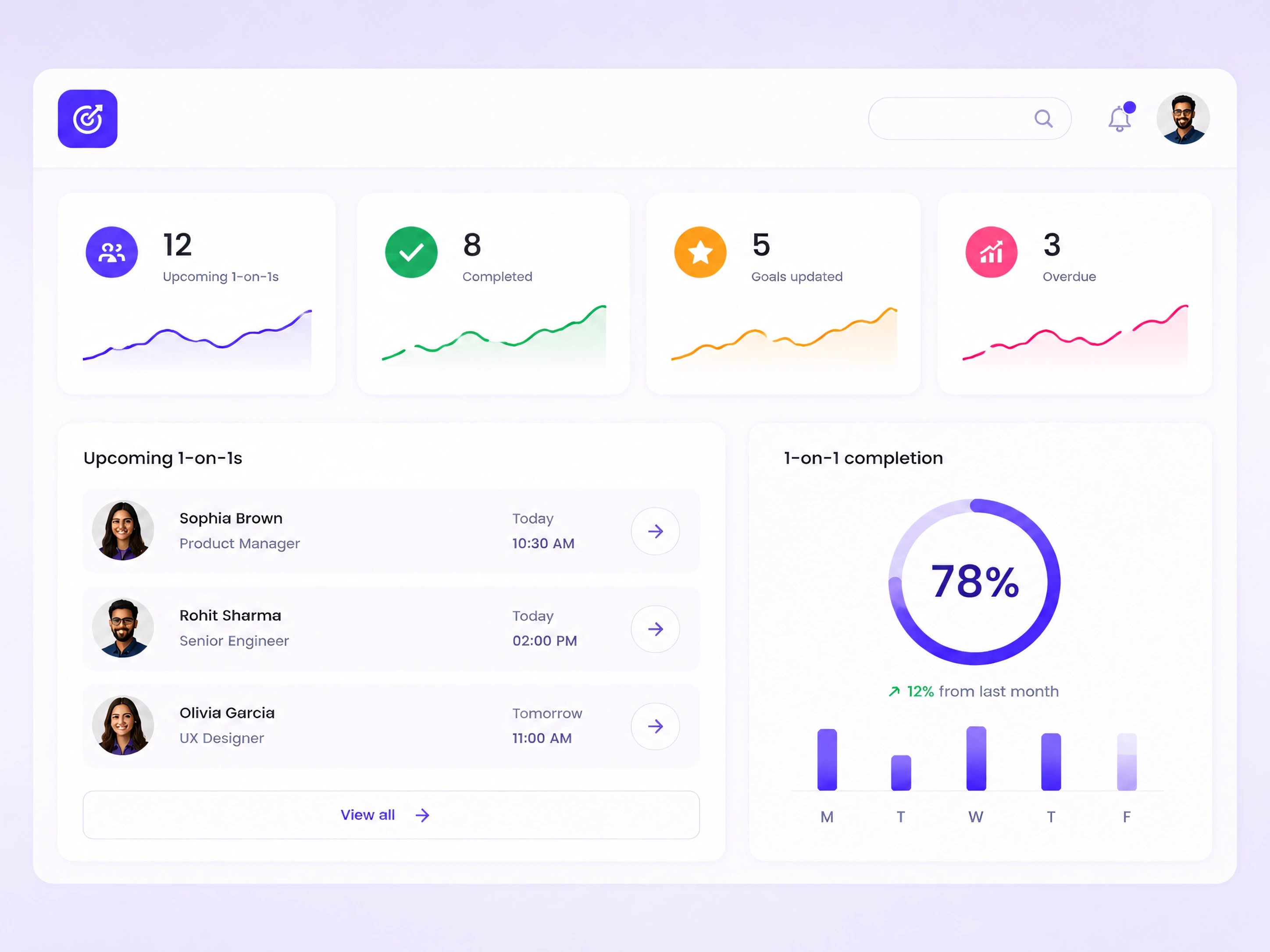
Check-ins & 1-on-1s
Encourage regular manager-employee conversations. Keep progress visible, address challenges early, and build a culture of continuous feedback.
Calibration
Bring consistency to performance ratings. Ensure fairness, eliminate bias, and connect review outcomes directly to compensation decisions.
PIPs (Performance Improvement Plans)
Provide clear steps for underperforming employees to improve. Track progress, set expectations, and ensure accountability with transparency.

Goals
Set and track SMART goals and competencies with clarity. Help employees stay focused on measurable outcomes that align with business priorities.

Feedback & Surveys
Collect structured employee feedback, run pulse surveys, manage reminders and permissions, and turn approved insights into follow-up actions.

Individual Development Plans
Help employees map their career growth. Create personalized learning paths that turn feedback into actionable development goals.

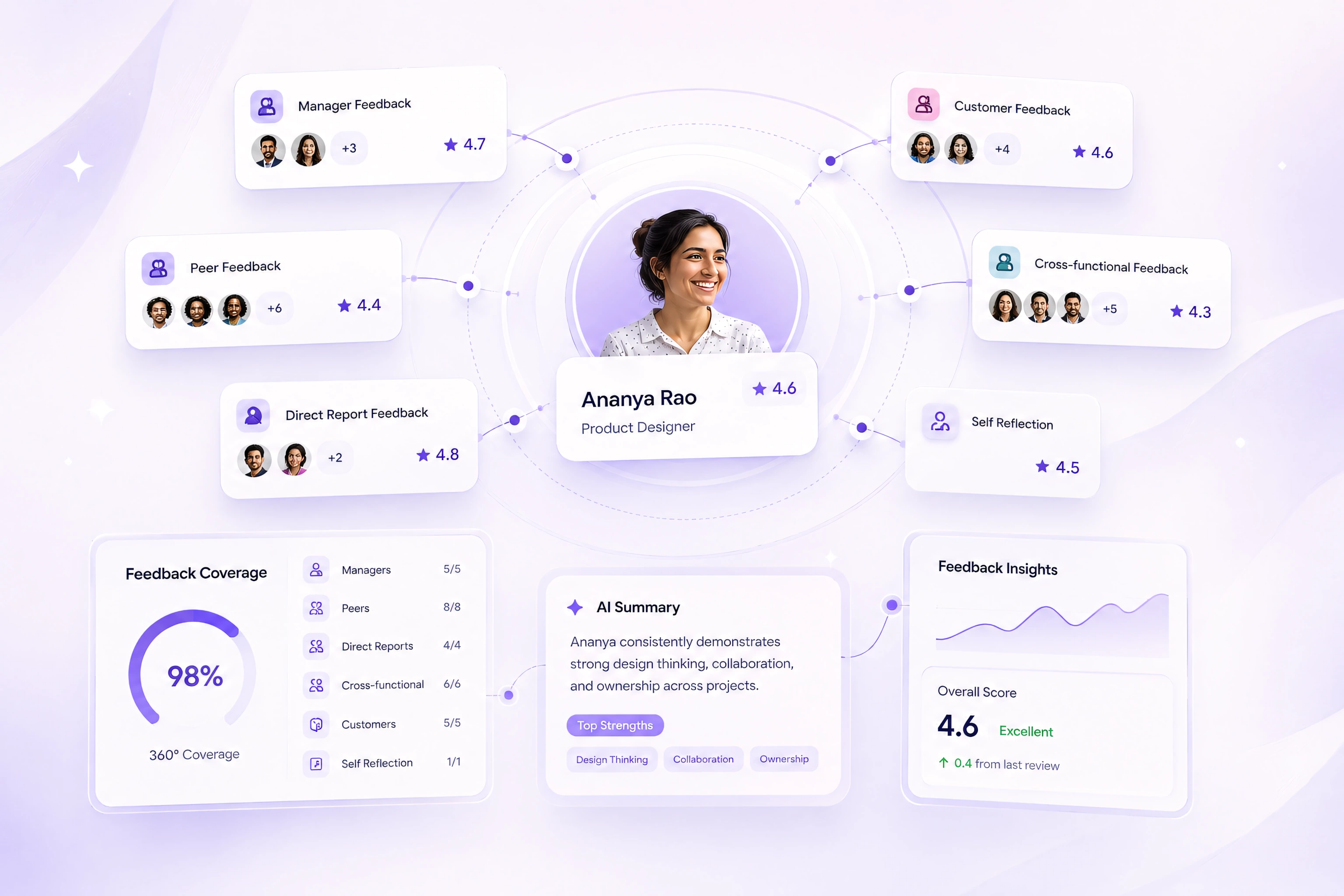
360 Reviews
Get a complete view of employee performance from peers, managers, and reports. Gain deeper insights that support balanced and fair evaluations.

Why PerformSpark
How calibration drives real value

Calibration software for performance reviews can bring rating distributions, 9-box views, and supporting evidence into one discussion so HR can identify possible inconsistencies before decisions are finalized.For meeting preparation and facilitation, see performance calibration best practices.

Spot top performers and flight risks early to guide retention, development, and succession planning.
For development follow-through, review individual development plan best practices.

Visual reports and analytics make executive discussions more productive and decisions more accurate.
See which performance management metrics HR can track across cycles.

Automated dashboards and exports save time compared to manual spreadsheets and meetings.
Compare this with automated performance reviews vs. spreadsheets.
Buyer Questions
What HR Teams Should Evaluate

Can HR compare ratings across managers?
Look for side-by-side rating distributions and supporting evidence so HR can identify cases that need discussion before reviews are finalized.
Explore Performance Reviews →
Can calibration decisions be documented?
A useful workflow should keep rating context, evidence, discussion outcomes, and approved changes together so HR has a clearer decision record.
Explore Reporting & Analytics →
Do human reviewers stay in control?
Analytics and AI can surface patterns and questions, but managers and HR should review the evidence and retain responsibility for final calibration decisions.
See PerformSpark in Action →FAQs
Your questions answered
Have questions about PerformSpark? Here are some of the most common queries to help you get started.
Ready to Manage Performance Fairly and Effectively?
Bring ratings into alignment with 9-box views, distribution insights, and documented calibration decisions.
What does a performance calibration workflow do?
How can calibration help reduce rating bias?
What is a 9-box grid and how is it used in calibration?
When should a company run a performance calibration session?
What is rating normalization and why does it matter?
How does AI improve the performance calibration process?
How is PerformSpark different from running calibration in spreadsheets?
Can calibrated ratings connect to compensation decisions?
Ready to manage performance fairly and effectively?
Normalize ratings and make fair talent decisions with confidence.
Related Blogs

Make performance reviews your growth lever
No credit card required • Setup and training included • Annual contract minimums may apply