
.svg)





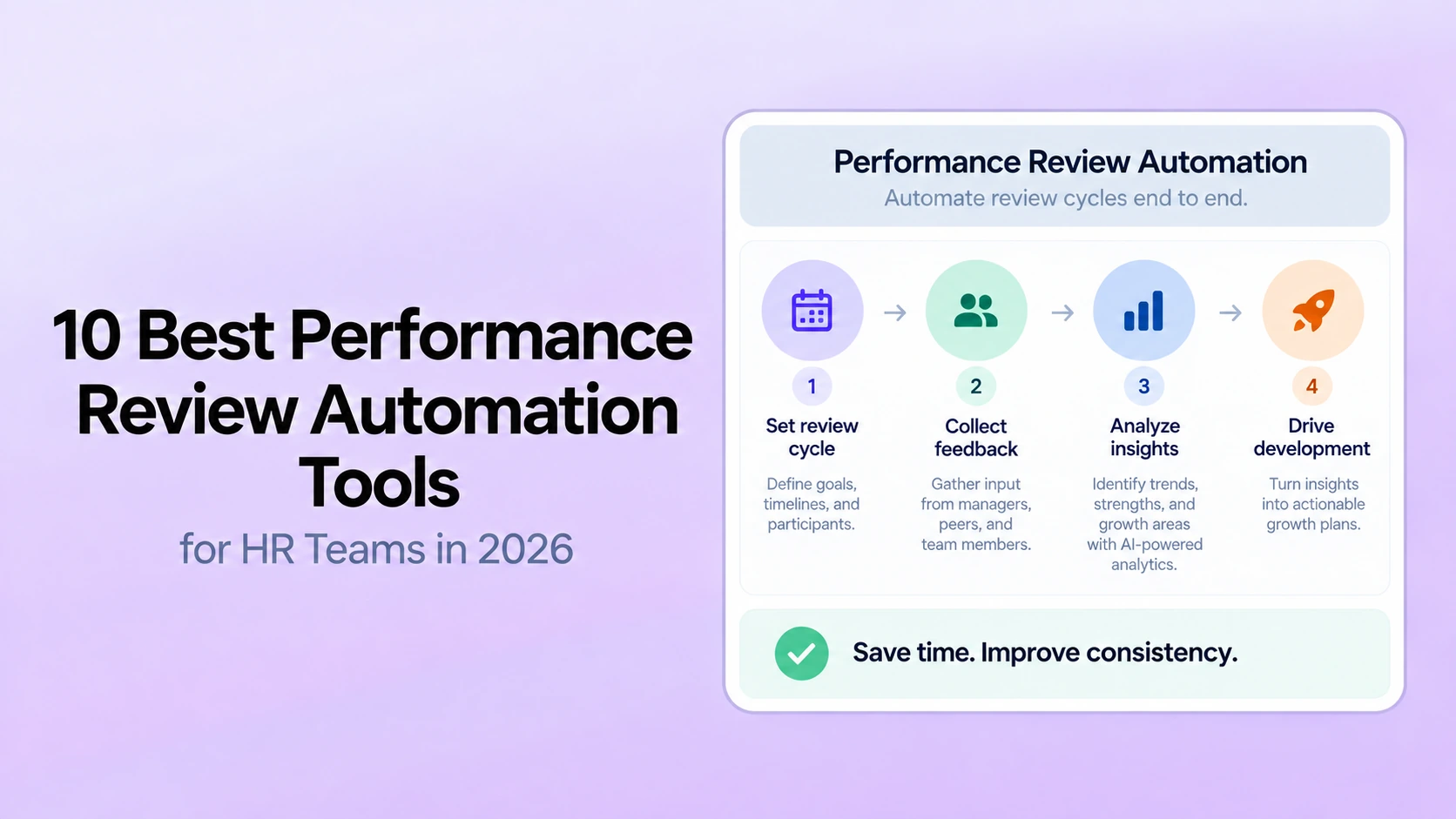
Table of Contents

Key Takeaways:
- Automate repeatable coordination such as cycle setup, assignments, reminders, routing, reporting and follow-up while keeping consequential decisions under human control.
- Compare vendors using the same real review cycle, including a manager change, overdue task, calibration step and post-review action.
- Review automation quality depends on exception handling and evidence visibility, not just how quickly HR can launch a form.
- Focused performance platforms, broader HR suites and talent suites solve different system-design problems, so choose the operating model before the vendor.
- Verify current workflow behavior, AI scope, integrations, plan entitlements, implementation responsibilities and commercial terms directly with each finalist.
Performance review automation software should remove repeatable coordination work without automating away judgment. A strong system helps HR configure cycles, assign reviewers, schedule deadlines, send reminders, route approvals, monitor completion, bring relevant evidence into the review, support calibration, and turn final reviews into follow-up actions.
This 2026 buyer guide compares 10 platforms specifically for review-cycle automation. It is different from our step-by-step performance review automation guide and our automated reviews vs. spreadsheets comparison, which focus on process design rather than vendor selection.
Research date: September 23, 2026. PerformSpark publishes this comparison and has a commercial interest in the category. This is an editorial shortlist, not a universal 1-to-10 ranking and not hands-on testing of every configuration. Vendor workflows, AI features, plan entitlements, integrations, support, and pricing can change, so verify the exact proposed environment before purchase.
Performance Review Automation Software Compared
| Platform | Current automation strengths | Best-fit operating model | What to verify |
|---|---|---|---|
| PerformSpark | Scheduled review cycles, custom forms by role or department, automatic notifications, concurrent cycles, calibration, reporting and follow-up workflows | Focused performance management around an existing HRIS | Assignment rules, manager changes, reminders, approvals, permissions and integrations |
| Leapsome | Custom review cycles, workflow-based enrollment, recurring review logic, notifications, AI review assistance, analytics and calibration | Broader talent suite with flexible review workflows | Legacy review automations versus current Workflows setup, triggers, exceptions and calibration governance |
| Betterworks | Flexible conversation/review cycles, goals, feedback, recurring cadences, stakeholder input, calibration and analytics | Continuous performance programs tied closely to goals and conversations | Cycle retrigger logic, participant changes, approvals, recurring cadence and evidence visibility |
| PerformYard | Automated reviews, scheduled reminders, approval notifications, configurable forms, 360 input, live administration and AI review support | HR teams prioritizing configurable review administration | Approval routing, reminder controls, status reporting and exception handling |
| 15Five Perform | Rapid review-cycle setup, AI-assisted reviews, 360 feedback, standardized ratings, calibration/talent matrix, reporting and goals | Manager-centered performance programs with recurring coaching practices | Different cycle rules by population, calibration permissions, AI source evidence and package scope |
| Culture Amp Perform | Unified review cycles, self-reflection, peer/upward feedback, manager reviews, calibration, goals and AI Coach | Performance programs connected to engagement and development | Cycle stages, reviewer nominations, calibration flow, reminders and HRBP permissions |
| BambooHR Performance Management | Custom review cycles, fixed-date or hire-date cycles, 360 feedback, completion notifications, email reminders, goals and 1:1s | Performance management close to the core HR record | Cycle flexibility, role changes after launch, reminder controls and plan entitlement |
| Trakstar Perform | Configurable reviews, 360 feedback, approval routes, notifications, review archival and workflow controls | Dedicated performance-management process with formal approvals | Approval routing, reviewer visibility, automation triggers and exception handling |
| Engagedly | Reviews, goals/OKRs, 360 feedback, real-time feedback, 1-on-1s and AI-assisted review summaries | Multi-module talent platform | Exact review automation rules, reminders, approval flow, Marissa AI scope and package requirements |
| Lattice | Flexible review timelines, evidence-based AI review drafts, calibration groups, review-cycle controls, goals, feedback and 1:1s | Connected performance and talent-management workflows | Mid-cycle changes, calibration-group rules, AI permissions and HRIS synchronization |
How We Evaluated the 10 Tools
We reviewed current first-party product pages, help documentation, and 2026 product updates. We did not independently test every workflow, integration, AI output, service commitment, or configuration.
We evaluated seven operating requirements:
- Cycle configuration: templates, stages, populations, role-based forms and recurring schedules.
- Assignments and routing: employees, managers, peers, skip-level reviewers, approvers and reassignment rules.
- Reminders and exceptions: due dates, reminders, escalations, overdue visibility and deadline changes.
- Evidence in context: goals, feedback, 1-on-1s and check-ins, prior reviews and other authorized records.
- Rating governance: calibration, documented changes, review permissions and human approval.
- Reporting: completion, exceptions, rating patterns, cycle health and post-review actions.
- Follow-through: goals, development plans, coaching or performance improvement plans where appropriate.
For a broader software-buying framework, use the performance management software RFP checklist. For manager and employee content design, use the performance review questions guide.
10 Performance Review Automation Software Tools to Compare in 2026
1. PerformSpark
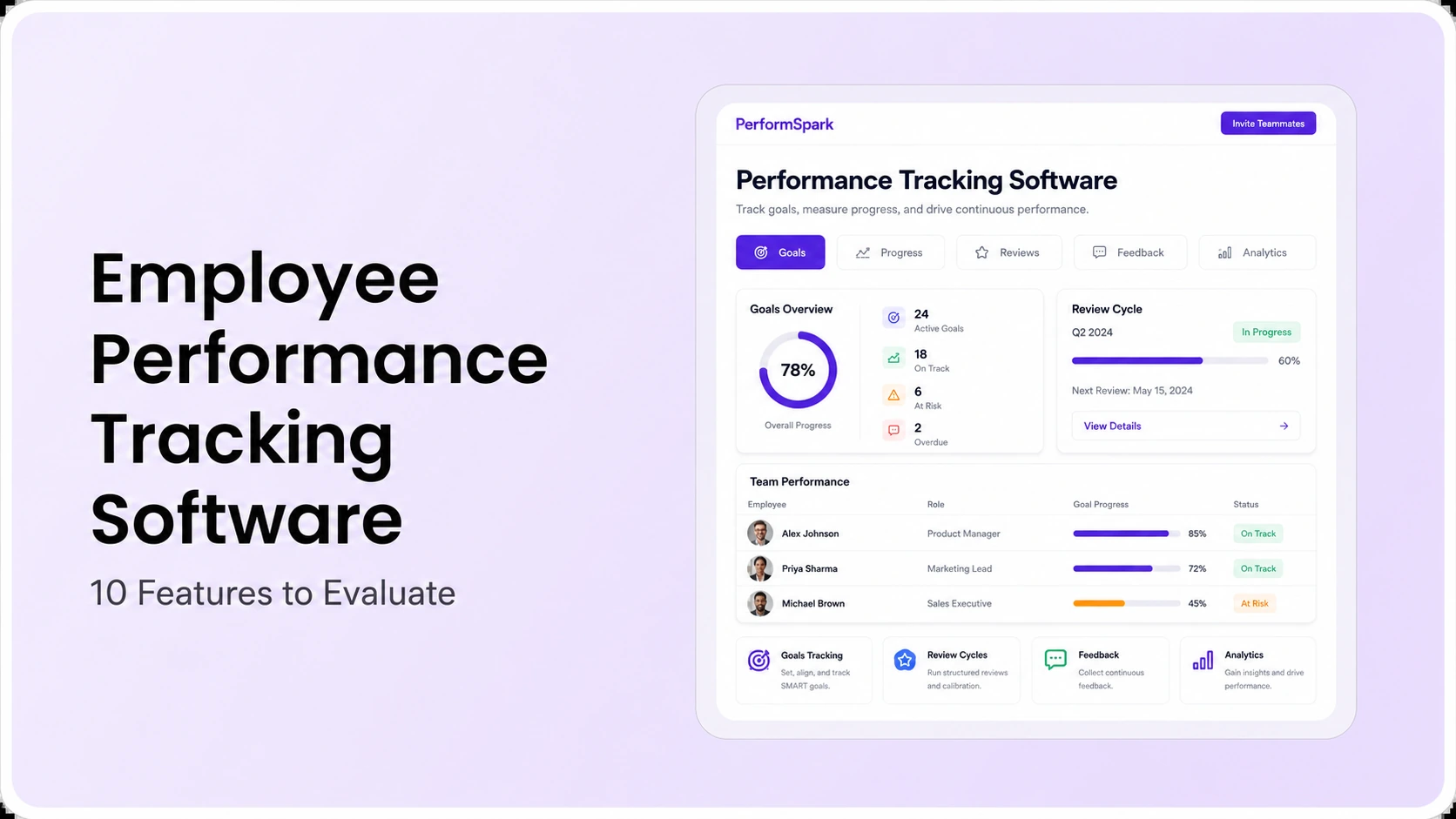
PerformSpark Performance Reviews lets HR build, schedule and automate review cycles, use different forms by role or department, run concurrent cycles, and keep managers on track with automatic notifications. Reviews connect with goals, check-ins, feedback, calibration, development plans and reporting and analytics, so the review does not have to operate as an isolated form.
Evaluate it when: the organization already has an HRIS and wants a focused performance management system with deeper review, calibration and follow-up workflows.
Verify in the demo: How forms are assigned, what happens when a manager changes after launch, reminder and escalation behavior, approval steps, role permissions, cycle reporting, and the exact HRIS integration path.
Official source checked: PerformSpark performance management overview.
2. Leapsome
Leapsome documents customizable review types, templates, automated notifications, AI Review Assistant, performance context, analytics and calibration. One important 2026 workflow change is that new automated review processes are now configured through Leapsome Workflows using the “Enroll in a review cycle” step rather than by creating new legacy Review Automations. Existing legacy automations can continue to run.
Evaluate it when: the organization wants configurable performance reviews inside a broader talent and development platform.
Verify in the demo: Which automation framework will be used for your deployment, how hire-date and recurring triggers work, what happens after employee or manager changes, notification controls, calibration permissions and AI evidence sources.
Official sources checked: Leapsome Performance Reviews and Leapsome review automation guidance.
3. Betterworks
Betterworks positions Conversations as the engine behind its performance-review workflow, connecting flexible cycles with goals, feedback, 1-on-1s and continuous performance context. Current 2026 release notes also document recurring conversation behavior and stakeholder input, while Betterworks supports calibration in its talent-management workflows.
Evaluate it when: the organization wants recurring performance conversations tied closely to goals and continuous coaching rather than a stand-alone annual review.
Verify in the demo: Cycle setup, recurring/retrigger rules, participant eligibility, manager changes, stakeholder input, approvals, reminder behavior, calibration, exports and reporting.
Official source checked: Betterworks performance review software.
4. PerformYard
PerformYard documents automated reviews, scheduled reminders, approval notifications, configurable forms and review processes, 360-degree input, live review administration, AI Review Assist and AI summaries.
Evaluate it when: HR wants a configurable review process with a strong emphasis on cycle administration and straightforward automation.
Verify in the demo: Approval routes, reminder timing, escalation controls, reassignment after org changes, completion visibility, AI permissions and how exceptions are handled without rebuilding the cycle.
Official source checked: PerformYard Performance Reviews.
5. 15Five Perform
15Five Perform currently documents rapid review-cycle setup, AI-Assisted Reviews, 360 feedback, standardized ratings, a talent matrix for calibrations, performance reporting, goals and HRIS integrations. Its 2026 calibration documentation also supports real-time rating adjustment within calibration sessions.
Evaluate it when: performance reviews need to sit alongside recurring manager practices, 1-on-1s, goals and coaching.
Verify in the demo: Different review cycles by team or role, reviewer and collaborator permissions, calibration governance, AI source context, reminder behavior, HRIS synchronization and package requirements.
Official source checked: 15Five Perform.
Review Automation Test
Bring your actual review workflow to the demo
Test assignments, reminders, manager changes, calibration, release and follow-up instead of evaluating a clean sample cycle.
6. Culture Amp Perform
Culture Amp Perform supports unified performance-review cycles that can include nominations, peer and upward feedback, self-reflection, manager reviews and calibration. Its current product also connects goals, continuous feedback, 1-on-1s, development and AI Coach for review writing and conversation preparation.
Evaluate it when: performance management needs to connect with a broader engagement and development program.
Verify in the demo: Cycle-stage configuration, reviewer nominations, reminders, HRBP permissions, calibration flow, AI Coach boundaries, reporting and what can be changed after launch.
Official sources checked: Culture Amp Perform and its current performance-cycle guidance.
7. BambooHR Performance Management
BambooHR documents pre-built and custom review cycles, self and manager reviews, peer and skip-level feedback, goals, 1-on-1s, completion notifications, email reminders and performance reporting. BambooHR also supports fixed-date or hire-date review cycles, including recurring new-hire milestones such as 30-, 60- and 90-day reviews.
Evaluate it when: HR wants performance workflows close to the core employee record and prefers fewer systems.
Verify in the demo: Fixed-date versus hire-date logic, reminder controls, manager or department changes after launch, 360 reviewer rules, reporting, mobile experience and current plan entitlement.
Official source checked: BambooHR Performance Management.
8. Trakstar Perform
Trakstar Perform documents configurable performance reviews, 360-degree feedback, reviewer visibility controls, notifications and formal approval routing. Current support documentation shows configurable approval steps, including direct-manager approval, plus review archival after required stages are complete.
Evaluate it when: the organization needs a dedicated performance process with formal review and approval routes.
Verify in the demo: Approval routing, rejection and resubmission, reviewer visibility, 360 anonymity, reminder automation, archive behavior, org-change handling and reporting.
Official source checked: Trakstar Perform.
9. Engagedly
Engagedly's current 2026 performance platform covers reviews, goals and OKRs, 360 feedback, real-time feedback, meetings and competency workflows. Marissa AI is positioned for tasks such as review summarization and surfacing issues across people data.
Evaluate it when: HR wants a broader talent platform and expects review data to connect with goals, feedback, meetings and development.
Verify in the demo: Exact review-cycle automation rules, assignment logic, reminders, approvals, exception handling, Marissa AI scope, reporting and the modules included in the proposed package.
Official source checked: Engagedly Performance Management.
10. Lattice
Lattice Performance supports reviews, goals, feedback, 1-on-1s and calibration inside a connected talent-management workflow. Its Spring/Summer 2026 release added flexible review timelines, auto-created calibration groups and evidence-based AI review drafts grounded in goals, 1-on-1s, feedback, updates and growth areas.
Evaluate it when: the organization wants review automation connected to broader performance, development and talent-management workflows.
Verify in the demo: Review timelines, population-specific cycles, mid-cycle changes, calibration-group rules, manager reassignment, AI permissions, HRIS synchronization and reporting.
Official source checked: Lattice Performance.
What Review Automation Should and Should Not Automate
Automation is strongest when it removes repeatable administrative work: creating cycles from approved templates, assigning participants, sending reminders, escalating overdue steps, routing approvals, preparing reports and moving completed reviews into follow-up actions.
Automation should not independently set the final rating, decide promotion or compensation, place an employee on a PIP, or make a termination decision. AI can help draft or summarize when the user can inspect the underlying evidence, but accountable managers and HR should make consequential decisions.
For AI-specific review controls, use the PerformSpark AI performance review software guide and TrAI product overview.
Run the Same Review Cycle With Every Vendor
- Create one annual or mid-year cycle using your real stages, forms and populations.
- Assign an employee, manager, peer reviewer and approver.
- Change the manager after the cycle starts and show what happens to ownership.
- Trigger reminders, extend one deadline and show how HR sees overdue work.
- Have the manager inspect goals, feedback and prior review context while writing the review.
- Add one exception, such as leave, transfer or termination, and show how the cycle handles it.
- Prepare a calibration view and change one rating through the approved human workflow.
- Release the final review and capture employee acknowledgment if your process requires it.
- Create one development action or follow-up goal with an owner and date.
- Export completion, rating and audit information for HR reporting.
This same test also exposes implementation risk. Review the known failure points in the performance management implementation guide, then validate integration dependencies with the HR software integration checklist.
Performance Review Automation Demo Scorecard
| Test | Pass condition | Red flag |
|---|---|---|
| Cycle setup | HR can configure the real stages, populations, forms and dates without rebuilding the process outside the system | The demo depends on a generic cycle that does not match the actual operating model |
| Org changes | Manager changes, transfers, leave and terminations have a defined workflow | HR must manually recreate assignments or loses review history |
| Reminders and exceptions | HR can control reminders, deadlines, extensions and overdue visibility | Automation creates noise or cannot distinguish normal delay from an exception |
| Evidence | Authorized goals, feedback and prior context are available where reviewers need them | Managers must copy evidence from spreadsheets or unrelated systems |
| Calibration | Ratings can be compared and adjusted through a documented human process | Rating changes happen without evidence, permissions or auditability |
| Follow-through | Final reviews can lead into goals, development, coaching or structured performance actions | The workflow ends when the form is signed |
| Reporting | HR can see cycle status, exceptions, rating patterns and completion without manual reconciliation | Operational reporting requires a separate spreadsheet |
Which Type of Performance Review Automation Software Should You Buy?
A focused performance platform may fit when the organization already has an HRIS and needs deeper review, feedback, calibration, coaching and development workflows.
A broader HR suite may fit when one employee record, fewer vendors and simpler administration matter more than specialized review depth.
A broader talent suite may fit when performance must connect with engagement, learning, career development, succession or compensation.
Do not choose based on the number of automated actions alone. The stronger system is the one that can run your representative review cycle with clear ownership, appropriate permissions, manageable administration, useful evidence and human control over consequential decisions.
Before signing, compare commercial scope using the performance management software pricing guide, validate security controls, and confirm the relevant integration options.
Bottom Line
Performance review automation should remove coordination work, not accountability. The best buying test is whether HR can configure and run the real cycle, handle exceptions, keep managers on schedule, bring evidence into the conversation, calibrate ratings, release reviews and track follow-up without rebuilding the process in spreadsheets.
Shortlist two or three vendors, run the same cycle with every finalist, and require written confirmation of current workflow behavior, plan entitlement, integrations, implementation responsibilities and commercial terms.
Performance Review Automation
Test your real review cycle in PerformSpark
Bring your forms, stages, assignment rules, reminders, calibration process and follow-up workflow to a focused walkthrough.
Book a PerformSpark Demo →Use your own workflow and governance requirements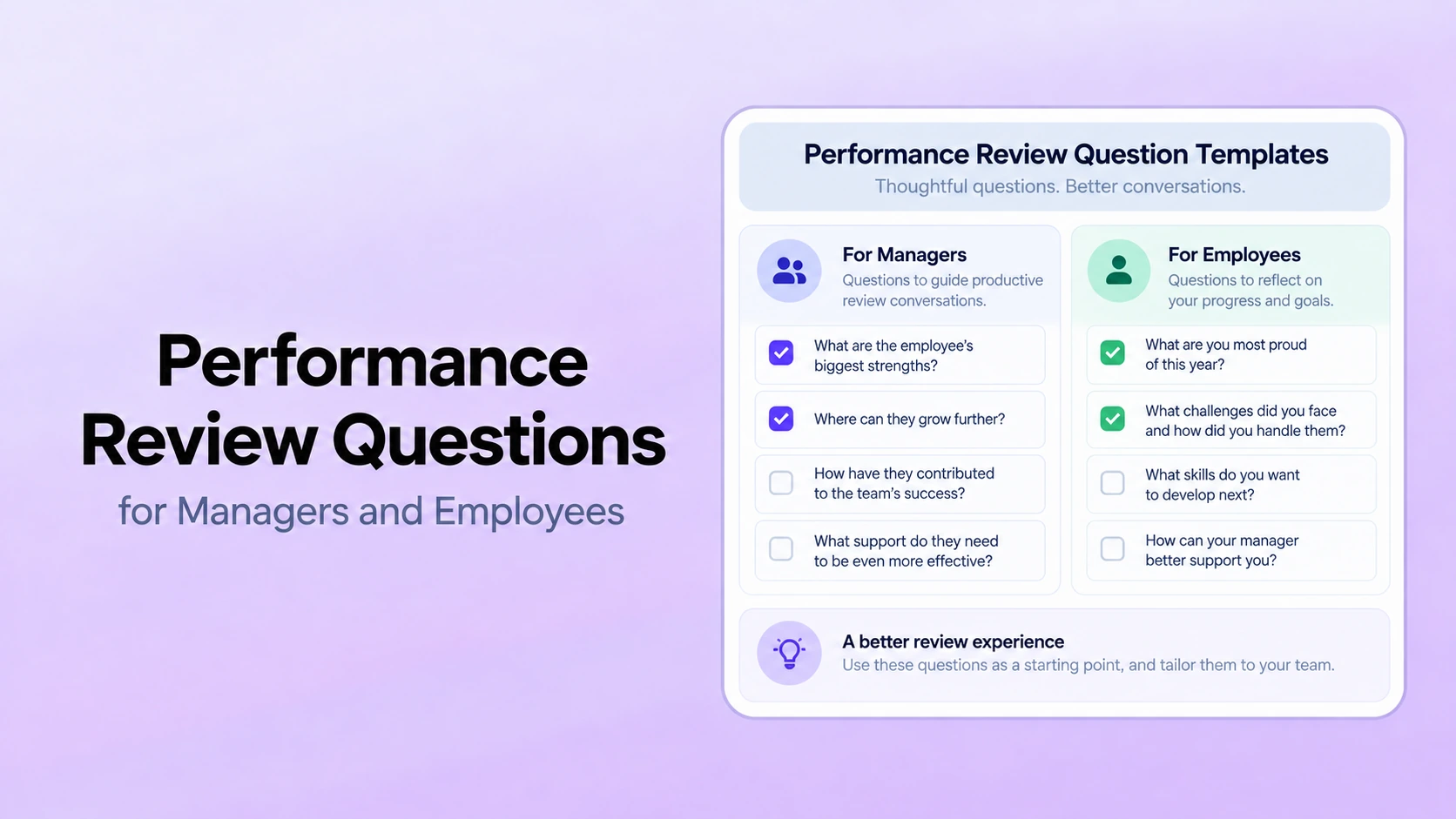



.svg)

.svg)
.svg)