

Table of Content
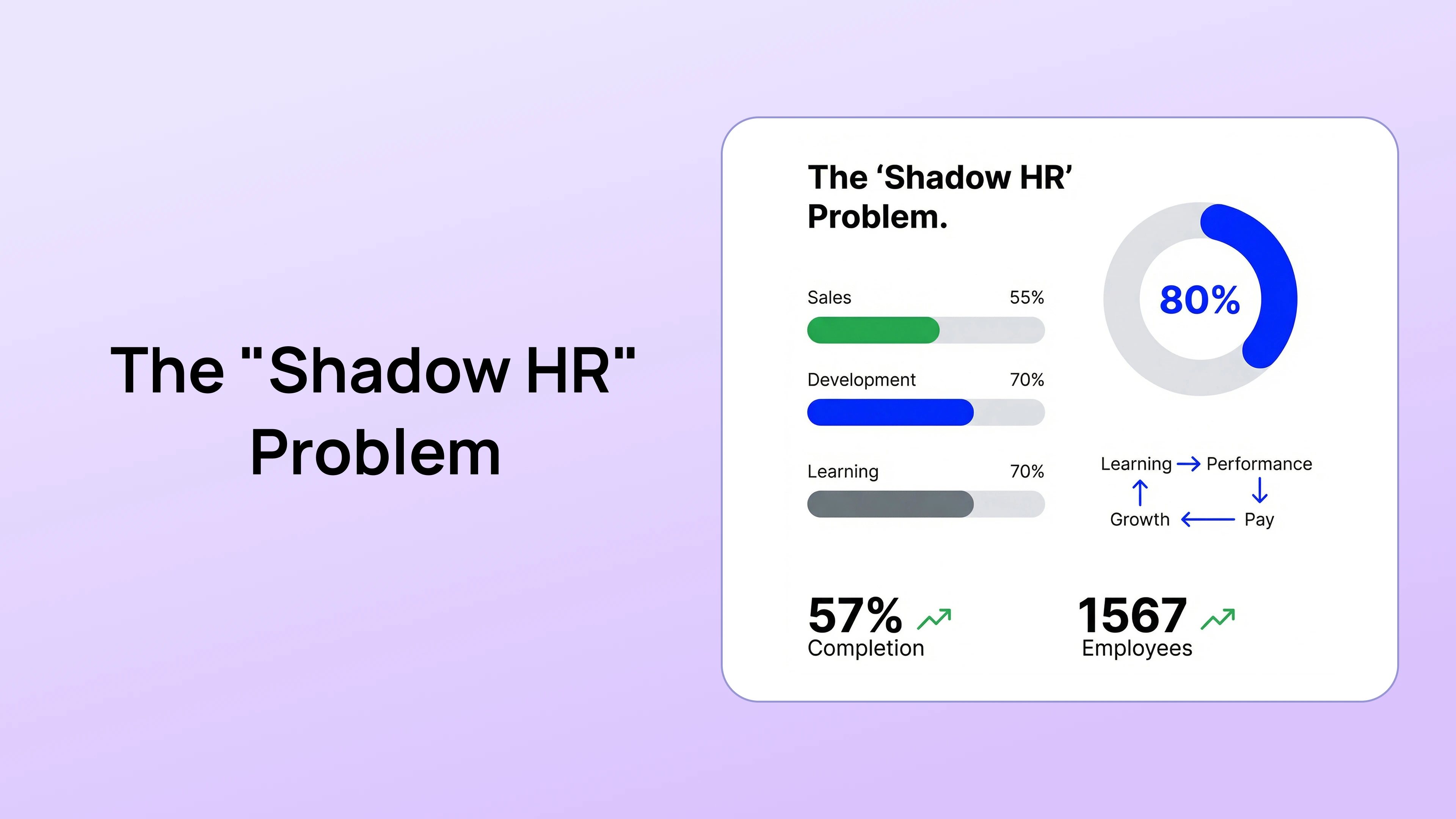
The "Shadow HR" Problem: Why Managers Keep Secret Spreadsheets (And How to Stop It)
Your company just spent $100,000 implementing a state of the art Human Resources Information System (HRIS). The executive team celebrated. The deployment was a success.
But if you walk over to your engineering or sales department and ask a manager how they track their team's performance, they will minimize the expensive HR software and open a hidden Google Sheet.
This is the Shadow HR problem.
It is the dark secret of the HR tech world. Companies buy massive software suites, but the actual day to day management of human beings happens off platform in decentralized, unsecured spreadsheets and private Notion boards.
In the PerformSpark Strategy , we view off platform data as a massive organizational vulnerability. It destroys visibility, ruins your analytics, and opens your company to catastrophic legal risk.
This guide explains why managers rebel against official HR tools, the hidden liabilities of rogue HR data, and how to build a system your leaders actually want to use.
What is Shadow HR Data?
"Shadow IT" refers to software that employees use without the approval of the IT department. Shadow HR is the exact same concept applied to people's data.
It occurs when managers create their own undocumented systems to track employee goals, performance notes, one on one agendas, and feedback.
Examples of Rogue HR Data
A hidden Excel file where a Sales Director ranks their team members from best to worst.
A private Evernote file where an Engineering Manager keeps a running list of mistakes made by a struggling developer.
A decentralized Trello board used to track the Continuous Feedback Loop outside of the official performance management system.
The 3 Catastrophic Risks of Decentralized HR Systems
When managers take employee data off the official platform, they strip away all the security, compliance, and visibility that HR and IT work so hard to maintain.
Risk 1: The Legal and Compliance Nightmare
If you operate in California (CCPA), Europe (GDPR), or any highly regulated market, employee data protection is a legal mandate. Employees have the right to access the data your company holds on them.
If a manager is keeping secret notes in a personal Apple Notes app, your company cannot produce that data during a compliance audit or a legal discovery phase.
Furthermore, if an employee sues for wrongful termination, and the manager suddenly produces a "secret spreadsheet" documenting months of poor performance, the company's legal defense is destroyed. Courts look very poorly upon undocumented, decentralized performance tracking. Official documentation must happen in an official system like a Performance Improvement Plan.
Risk 2: The Security Vulnerability
Your official HRIS requires Two Factor Authentication and sits behind a firewall. A manager's personal Excel file does not.
If a manager leaves their laptop in a coffee shop, or if their email is compromised in a phishing attack, highly sensitive employee data (salary notes, performance warnings, medical leave context) is suddenly breached. Shadow HR data is the weakest link in your corporate cybersecurity defense.
Risk 3: The "Data Silo" Blindspot
If the data is not in the system, HR cannot see it.
When HR runs a report to identify flight risks or high potential future leaders, they are looking at incomplete data. They might think an employee is doing fine because the official HRIS is empty, while the manager's secret spreadsheet shows that the employee has missed their targets for six consecutive weeks.
You cannot use predictive analytics if the data is hiding in a silo.
Why Do Managers Build Secret Spreadsheets?
To solve the problem, you must stop blaming the managers. Managers do not use secret spreadsheets because they are malicious. They use them because the official HR software is built for HR, not for them.
The HRIS is a Filing Cabinet, Not a Tool
Legacy HR systems are designed for compliance, payroll, and benefits administration. They are essentially digital filing cabinets. They are slow, clunky, and require ten clicks just to leave a simple note about an employee.
Managers are busy. They are trying to hit revenue targets and ship code. If leaving a feedback note takes five minutes in the HRIS but five seconds in a Google Sheet, the manager will choose the Google Sheet every single time. Friction dictates adoption.
Lack of Operational Context
Standard HR tools lack the agility required for modern management. They force managers into rigid annual review templates. If a manager wants to run an agile Weekly Check in , the legacy system simply cannot accommodate the workflow. The manager builds a custom spreadsheet out of pure necessity.
How PerformSpark Eliminates Shadow HR Data
You cannot ban spreadsheets. You have to build something better than a spreadsheet.
At PerformSpark, we engineered our platform specifically to solve the HRIS adoption rate crisis. We treat the Manager as the primary user, not an afterthought.
Consumer Grade UX (Zero Friction)
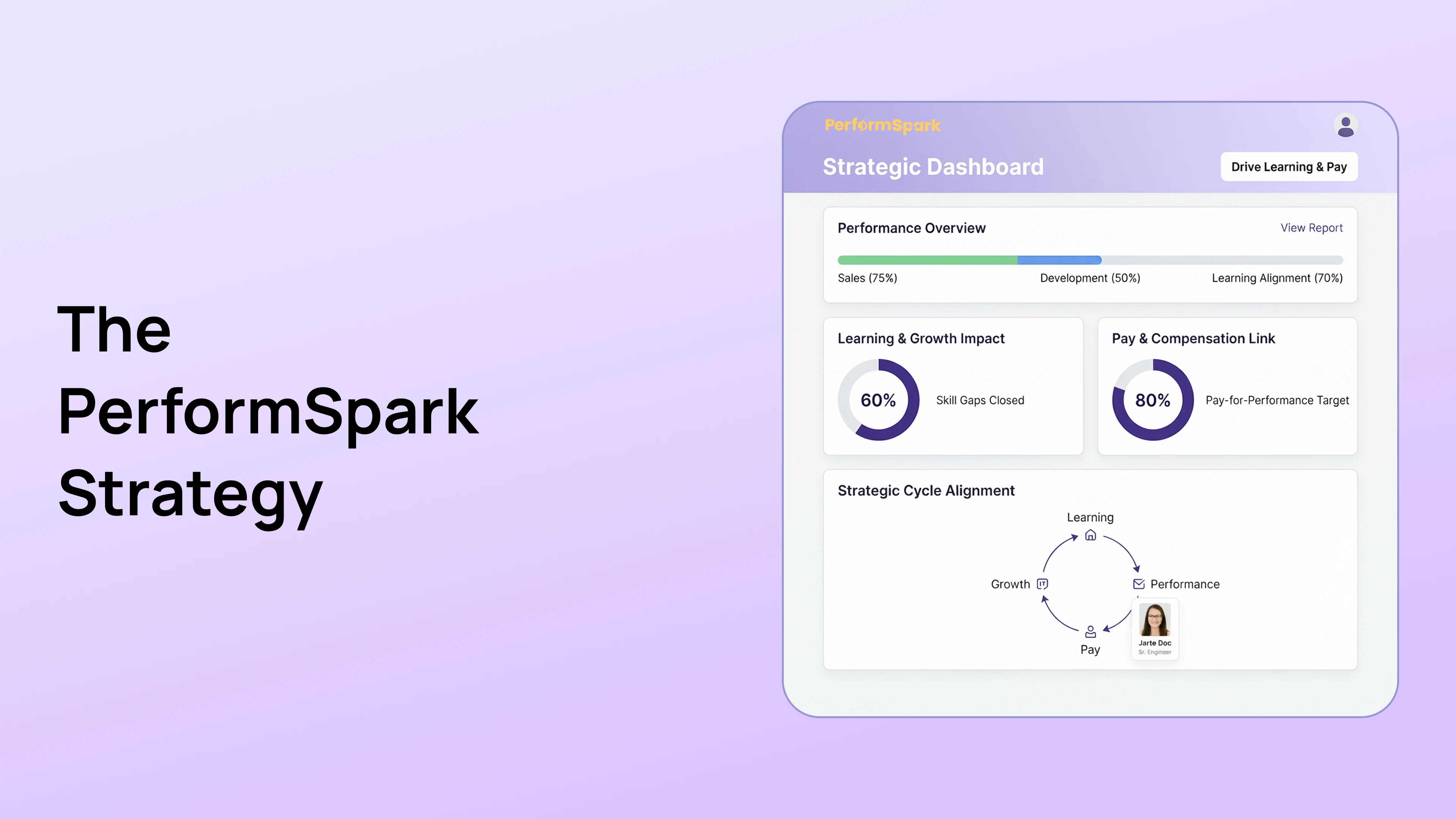
We built the PerformSpark Dashboard to be as fast and intuitive as the consumer apps your managers use every day.
If a manager wants to document a piece of feedback or update a goal, they can do it in two clicks directly from Slack or Microsoft Teams. By removing the friction of logging into a clunky portal, we eliminate the need for the secret Google Sheet.
TrAI Automated Documentation
Our AI engine acts as a digital administrative assistant.
When a manager finishes a 1 on 1 meeting, TrAI can instantly summarize the action items and log them directly into the employee's official performance record. The manager gets the speed of an informal note taking app, and HR gets the compliance of an enterprise platform.
Centralized Analytics for HR
Because the managers actually use the tool, the data silos disappear. HR gets access to our Analytics Dashboard, providing a real time, holistic view of company health, goal alignment, and feedback frequency across every department.
The 3 Step Plan to Eradicate Manager Spreadsheets
If you are a People Leader trying to clean up your decentralized HR systems, follow this transition protocol.
- Run an Adoption Audit: Survey your managers anonymously. Ask them: "What percentage of your performance tracking happens outside of our official HR platform?" The answer will terrify you, but it provides your baseline.
- Acknowledge the Friction: Tell your managers that you understand why they use spreadsheets. Validate their frustration with the current tools.
- Deploy a Manager First Platform: Roll out a system that integrates directly into their daily workflow. Ensure that the new Goals Management Software (Redirect to: Product Page) connects to the tools they already use to run their departments.
Conclusion
Shadow HR is not a compliance failure. It is a User Experience failure.
When you force your leaders to use software they hate, they will find workarounds. Those workarounds expose your company to legal liabilities, security breaches, and massive blind spots in your talent strategy.
To protect your organization, you must provide tools that make the manager's job easier, not harder. Bring your performance data out of the shadows and into a secure, centralized, and highly adopted ecosystem.
Book a Consultative Demo and see how PerformSpark drives 95% manager adoption rates in the first 30 days.
The "Shadow HR" Problem: Why Managers Keep Secret Spreadsheets (And How to Stop It)
Your company just spent $100,000 implementing a state of the art Human Resources Information System (HRIS). The executive team celebrated. The deployment was a success.
But if you walk over to your engineering or sales department and ask a manager how they track their team's performance, they will minimize the expensive HR software and open a hidden Google Sheet.
This is the Shadow HR problem.
It is the dark secret of the HR tech world. Companies buy massive software suites, but the actual day to day management of human beings happens off platform in decentralized, unsecured spreadsheets and private Notion boards.
In the PerformSpark Strategy , we view off platform data as a massive organizational vulnerability. It destroys visibility, ruins your analytics, and opens your company to catastrophic legal risk.
This guide explains why managers rebel against official HR tools, the hidden liabilities of rogue HR data, and how to build a system your leaders actually want to use.
What is Shadow HR Data?
"Shadow IT" refers to software that employees use without the approval of the IT department. Shadow HR is the exact same concept applied to people's data.
It occurs when managers create their own undocumented systems to track employee goals, performance notes, one on one agendas, and feedback.
Examples of Rogue HR Data
A hidden Excel file where a Sales Director ranks their team members from best to worst.
A private Evernote file where an Engineering Manager keeps a running list of mistakes made by a struggling developer.
A decentralized Trello board used to track the Continuous Feedback Loop outside of the official performance management system.
The 3 Catastrophic Risks of Decentralized HR Systems
When managers take employee data off the official platform, they strip away all the security, compliance, and visibility that HR and IT work so hard to maintain.
Risk 1: The Legal and Compliance Nightmare
If you operate in California (CCPA), Europe (GDPR), or any highly regulated market, employee data protection is a legal mandate. Employees have the right to access the data your company holds on them.
If a manager is keeping secret notes in a personal Apple Notes app, your company cannot produce that data during a compliance audit or a legal discovery phase.
Furthermore, if an employee sues for wrongful termination, and the manager suddenly produces a "secret spreadsheet" documenting months of poor performance, the company's legal defense is destroyed. Courts look very poorly upon undocumented, decentralized performance tracking. Official documentation must happen in an official system like a Performance Improvement Plan.
Risk 2: The Security Vulnerability
Your official HRIS requires Two Factor Authentication and sits behind a firewall. A manager's personal Excel file does not.
If a manager leaves their laptop in a coffee shop, or if their email is compromised in a phishing attack, highly sensitive employee data (salary notes, performance warnings, medical leave context) is suddenly breached. Shadow HR data is the weakest link in your corporate cybersecurity defense.
Risk 3: The "Data Silo" Blindspot
If the data is not in the system, HR cannot see it.
When HR runs a report to identify flight risks or high potential future leaders, they are looking at incomplete data. They might think an employee is doing fine because the official HRIS is empty, while the manager's secret spreadsheet shows that the employee has missed their targets for six consecutive weeks.
You cannot use predictive analytics if the data is hiding in a silo.
Why Do Managers Build Secret Spreadsheets?
To solve the problem, you must stop blaming the managers. Managers do not use secret spreadsheets because they are malicious. They use them because the official HR software is built for HR, not for them.
The HRIS is a Filing Cabinet, Not a Tool
Legacy HR systems are designed for compliance, payroll, and benefits administration. They are essentially digital filing cabinets. They are slow, clunky, and require ten clicks just to leave a simple note about an employee.
Managers are busy. They are trying to hit revenue targets and ship code. If leaving a feedback note takes five minutes in the HRIS but five seconds in a Google Sheet, the manager will choose the Google Sheet every single time. Friction dictates adoption.
Lack of Operational Context
Standard HR tools lack the agility required for modern management. They force managers into rigid annual review templates. If a manager wants to run an agile Weekly Check in , the legacy system simply cannot accommodate the workflow. The manager builds a custom spreadsheet out of pure necessity.
How PerformSpark Eliminates Shadow HR Data
You cannot ban spreadsheets. You have to build something better than a spreadsheet.
At PerformSpark, we engineered our platform specifically to solve the HRIS adoption rate crisis. We treat the Manager as the primary user, not an afterthought.
Consumer Grade UX (Zero Friction)
We built the PerformSpark Dashboard to be as fast and intuitive as the consumer apps your managers use every day.
If a manager wants to document a piece of feedback or update a goal, they can do it in two clicks directly from Slack or Microsoft Teams. By removing the friction of logging into a clunky portal, we eliminate the need for the secret Google Sheet.
TrAI Automated Documentation
Our AI engine acts as a digital administrative assistant.
When a manager finishes a 1 on 1 meeting, TrAI can instantly summarize the action items and log them directly into the employee's official performance record. The manager gets the speed of an informal note taking app, and HR gets the compliance of an enterprise platform.
Centralized Analytics for HR
Because the managers actually use the tool, the data silos disappear. HR gets access to our Analytics Dashboard, providing a real time, holistic view of company health, goal alignment, and feedback frequency across every department.
The 3 Step Plan to Eradicate Manager Spreadsheets
If you are a People Leader trying to clean up your decentralized HR systems, follow this transition protocol.
- Run an Adoption Audit: Survey your managers anonymously. Ask them: "What percentage of your performance tracking happens outside of our official HR platform?" The answer will terrify you, but it provides your baseline.
- Acknowledge the Friction: Tell your managers that you understand why they use spreadsheets. Validate their frustration with the current tools.
- Deploy a Manager First Platform: Roll out a system that integrates directly into their daily workflow. Ensure that the new Goals Management Software (Redirect to: Product Page) connects to the tools they already use to run their departments.
Conclusion
Shadow HR is not a compliance failure. It is a User Experience failure.
When you force your leaders to use software they hate, they will find workarounds. Those workarounds expose your company to legal liabilities, security breaches, and massive blind spots in your talent strategy.
To protect your organization, you must provide tools that make the manager's job easier, not harder. Bring your performance data out of the shadows and into a secure, centralized, and highly adopted ecosystem.
Book a Consultative Demo and see how PerformSpark drives 95% manager adoption rates in the first 30 days.
.webp)




.svg)

.svg)
.svg)